Buy handwerkersoftware.eu ?
We are moving the project
handwerkersoftware.eu .
Are you interested in purchasing the domain
handwerkersoftware.eu ?
domain@kv-gmbh.de · 0541-91531010
Buy handwerkersoftware.eu ?
What is the difference between financial advisory and financial management?
Financial advisory involves providing advice and guidance to individuals or businesses on how to manage their finances, make investment decisions, and plan for their financial future. Financial advisors help clients understand their financial situation and make informed decisions about their money. On the other hand, financial management involves the day-to-day management of an individual's or business's finances, including budgeting, cash flow management, and financial reporting. Financial managers are responsible for implementing the strategies and plans developed by financial advisors to ensure that the client's financial goals are met. In summary, financial advisory focuses on providing advice and guidance, while financial management involves the implementation and ongoing management of financial plans and strategies. **
Is financial management a job with a future?
Yes, financial management is a job with a future. As long as businesses and individuals continue to require assistance with managing their finances, there will be a need for financial managers. Additionally, as the financial industry evolves and new technologies emerge, the role of financial managers may also evolve, creating new opportunities for those in the field. With the increasing complexity of financial regulations and the growing importance of strategic financial planning, the demand for skilled financial managers is likely to remain strong in the future. **
Similar search terms for Financial
Top-Angebote
Products related to Financial:
-
Uplifted Finds Vertical Toy Inventory Management Module yellowOptimize your pets engagement ecosystem with the Vertical ToyInventory Module, a professionalgrade organization system engineered with spatialefficiency logic. This highutility module features a multitier felt architecture specifically designed to...92,97 $*Shipping: 0,00 $Secure redirect to the provider
-
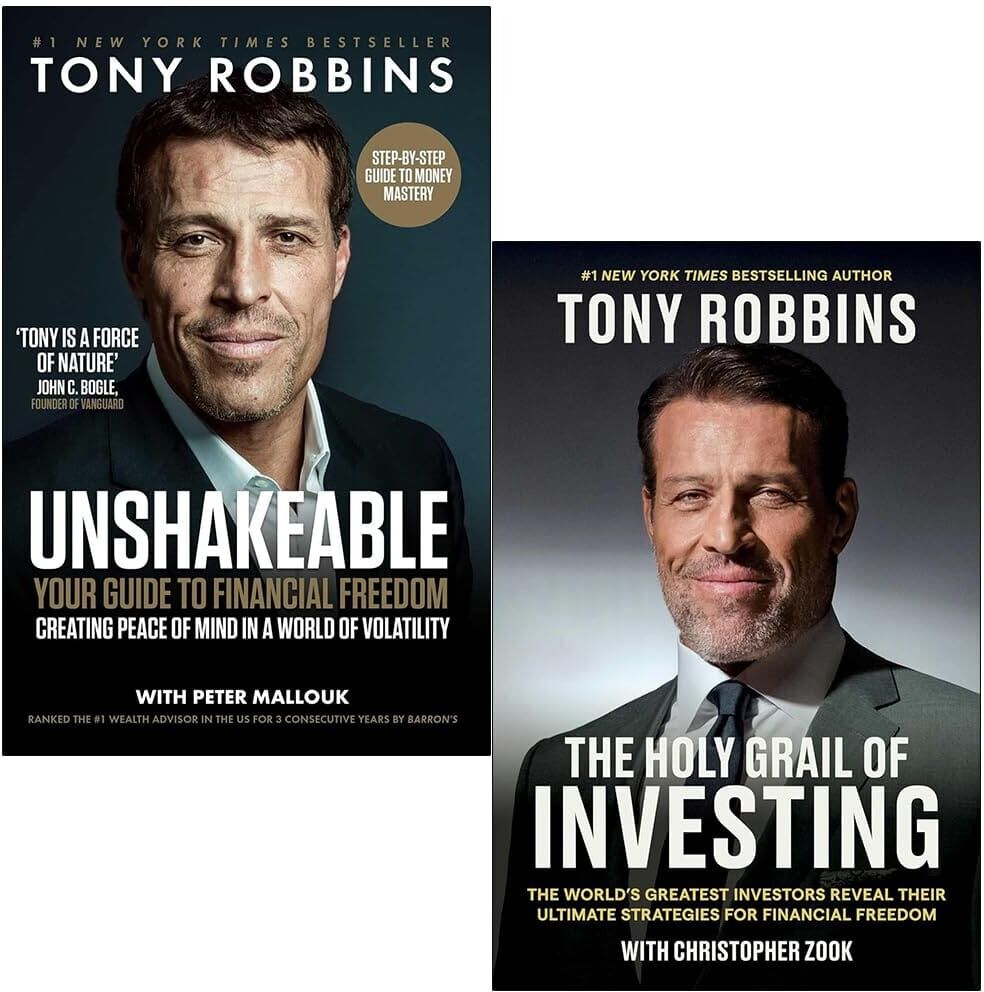
Financial Freedom Collection By Tony Robbins 2 Books Set - Non Fiction - Paperback Simon & SchusterTitles in this set: 1. Unshakeable: Your Guide to Financial Freedom 2. The Holy Grail of Investing Description: Unshakeable: Your Guide to Financial Freedom Tony Robbins, arguably the most recognizable life and business strategist and guru, is back with a timely, unique follow-up. Market corrections are as constant as seasons are in nature. There have been 30 such corrections in the past 30 years, yet there’s never been an action plan for how not only to survive, but thrive through each change in the stock market. Building upon the principles in Money: Master the Game, Robbins offers the reader specific steps they can implement to protect their investments while maximizing their wealth. It’s a detailed guide designed for investors, articulated in the common-sense, practical manner that the millions of loyal Robbins fans and students have come to expect and rely upon. Few have navigated the turbulence of the stock market as adeptly and successfully as Tony Robbins. His proven, consistent success over decades makes him singularly qualified to help investors (both seasoned and first-timers alike) preserve and add to their investments. The Holy Grail of Investing In this new book, Tony Robbins teams up with Christopher Zook, a renowned financial investor . Together they reveal how, for decades, trillions of dollars of smart money – think of large institutions, sovereign wealth funds, individuals with ultra-high-net worth – have been making outsized returns using alternative investments in private equity, private credit, private real estate, energy and venture capital. Until recently, the vast majority of investors – those of us without insider access or eye-popping checkbooks – have been locked out of these exciting, high-yield opportunities. But there is a change underway. Alternative investments are coming to the masses, and investors need to know how to navigate their options, assess the merits of these opportunities, and determine how to best take advantage of this massive trend. In The Holy Grain of Investing , you’ll discover: Where opportunities will arise as we transition from the 'free money' era of zero interest rates to a new more realistic environment. How to take advantage of the trillions flowing into private investments by owning a piece of the firms that manage the assets. How to take advantage of private credit as an alternative (or compliment) to bonds. How and why professional sports teams have become an asset class of their own. How the renewable energy revolution will create new winners and losers. How investments in private real estate can work as an inflationary hedge. Interviews, advice, and insights from some of the world’s most formidable titans of industry, such as Howard Marks of OakTree Capital, Vinod Khosla of Khosla Capital, Barry Sternlicht of Starwood, Robert Smith of Vista, and Peter Theil of Founders Fund, among others. The market is changing, and the conventional wisdom no longer applies. Are you ready to add some...18,99 £*Shipping: 2,99 £Secure redirect to the provider
-
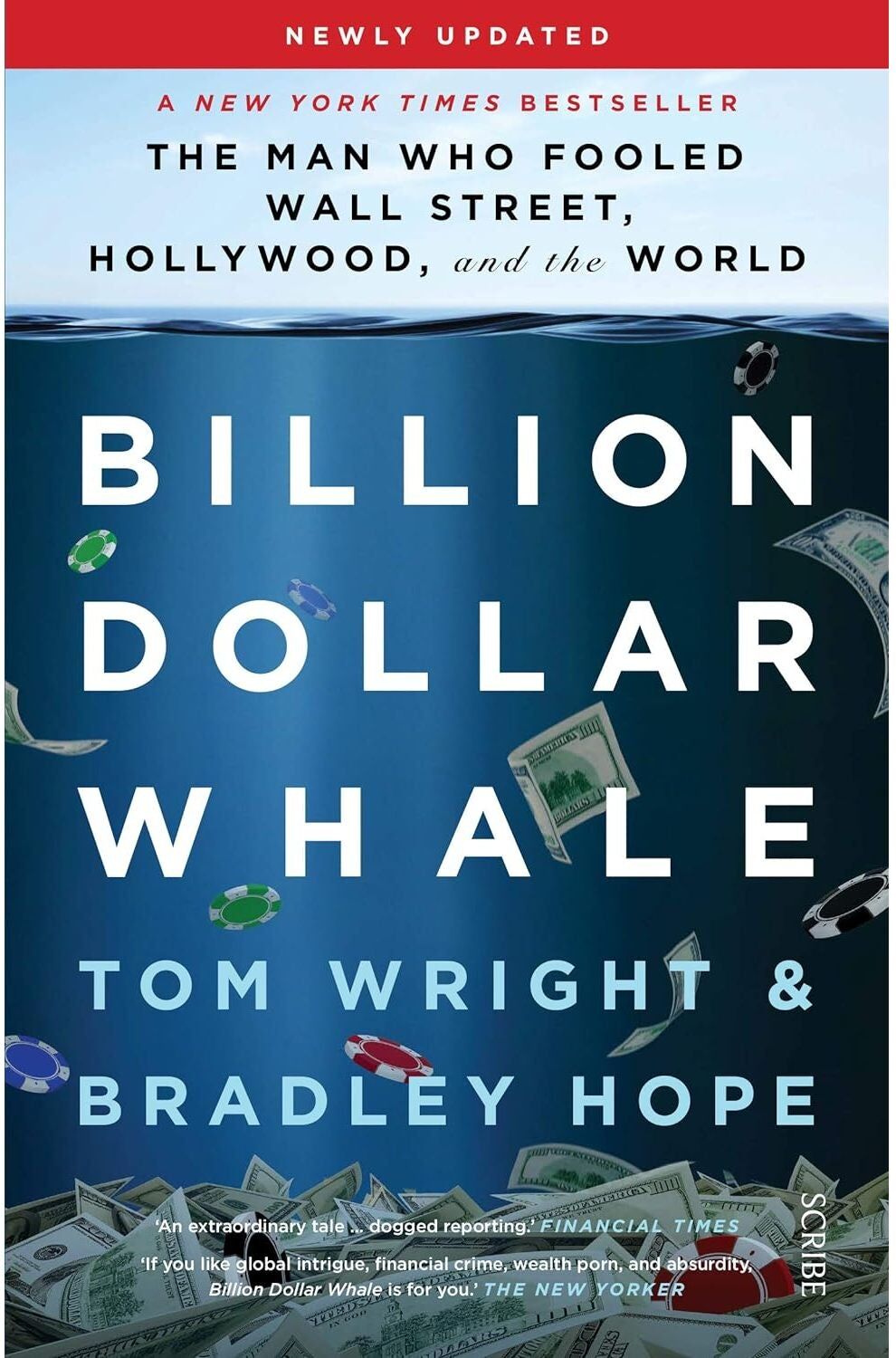
Scribe UK Billion Dollar Whale by Tom Wright & Bradley Hope – Financial Fraud True Crime BestsellerThe epic story of how a young social climber from Malaysia pulled off one of the biggest financial heists in history. In 2015, rumours began circulating that billions of dollars had been stolen from a Malaysian investment fund. The mastermind of the heist was twenty-seven-year-old Jho Low, a serial fabulist from an upper-middle-class Malaysian family, who had carefully built his reputation as a member of the jet-setting elite by arranging and financing elaborate parties for Wall Street bankers, celebrities, and even royalty. With the aid of Goldman Sachs and others, Low stole billions of dollars, right under the nose of global financial industry watchdogs. He used the money to finance elections, purchase luxury real estate, throw champagne-drenched parties, and bankroll Hollywood films like The Wolf of Wall Street. Billion Dollar Whale reveals how this silver-tongued con man, a ‘modern Gatsby’, emerged from obscurity to pull off one of the most audacious financial heists the world has ever seen, and how the financial industry let him. It is a classic harrowing parable of hubris and greed in the financial world.4,95 £*Shipping: 1,99 £Secure redirect to the provider
-
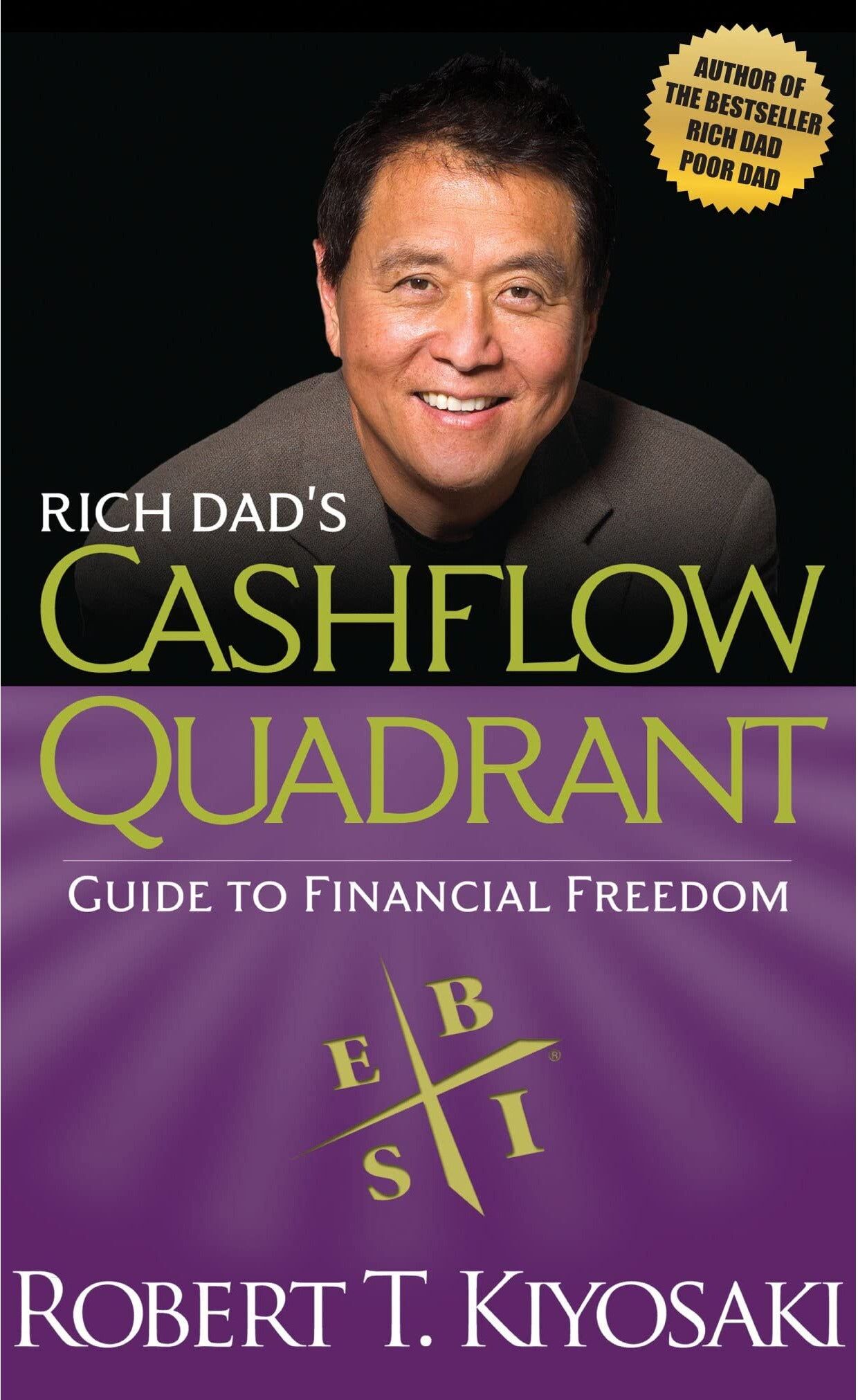
Plata Publishing Rich Dad’s Cashflow Quadrant – Robert T. Kiyosaki Guide to Financial Freedom, Investing & Wealth BuildingDiscover why some people work harder for money while others make money work for them with Rich Dad’s Cashflow Quadrant by Robert T. Kiyosaki. In this powerful follow-up to Rich Dad Poor Dad, Kiyosaki introduces the Cashflow Quadrant, a simple yet transformative framework that explains the four ways people earn income: Employee (E), Self-Employed (S), Business Owner (B), and Investor (I). The book reveals why true financial freedom is most often found on the B and I side of the quadrant. Through real-world examples and practical insights, Kiyosaki teaches readers how to shift their mindset, reduce financial risk, and build sustainable wealth through business ownership and investing. This book focuses on financial intelligence, passive income, and long-term wealth creation, rather than short-term gains. What You’ll Learn: The meaning of the Cashflow Quadrant (E, S, B, I) Why employees and self-employed people face financial limits How business owners and investors build passive income The mindset shifts required for financial independence How to move from job-based income to asset-based income Ideal for anyone serious about financial freedom, investing, and entrepreneurship, Rich Dad’s Cashflow Quadrant is a must-read personal finance classic.4,99 £*Shipping: 1,99 £Secure redirect to the provider

-
What professions are associated with administrative or financial management?
Professions associated with administrative or financial management include accountants, financial analysts, budget analysts, administrative services managers, and financial managers. These professionals are responsible for overseeing financial operations, creating budgets, analyzing financial data, and ensuring compliance with regulations. They play a crucial role in the efficient and effective management of an organization's financial resources. **
-
What is the course of study for financial management?
The course of study for financial management typically includes a combination of finance, accounting, economics, and business management courses. Students will learn about financial analysis, investment strategies, risk management, and financial decision-making. They will also study topics such as financial markets, corporate finance, and financial reporting. Additionally, students may have the opportunity to gain practical experience through internships or case studies. Overall, the course of study for financial management is designed to provide students with the knowledge and skills needed to effectively manage and make strategic financial decisions for organizations. **
-
Are there differences between a dual study program in financial management and a two-year training program to become a financial management assistant?
Yes, there are differences between a dual study program in financial management and a two-year training program to become a financial management assistant. A dual study program typically combines academic studies with practical work experience, allowing students to earn a degree while gaining real-world skills. On the other hand, a two-year training program focuses solely on practical training and may not result in a degree. Additionally, a dual study program may offer more in-depth theoretical knowledge and a broader understanding of financial management, while a two-year training program may focus more on specific job-related skills and tasks. **
-
What do you study to work in financial management treasury?
To work in financial management treasury, you would typically study finance, accounting, economics, or a related field. Courses in financial analysis, risk management, investments, and corporate finance would be beneficial. Additionally, gaining practical experience through internships or entry-level positions in finance or treasury departments can also be valuable in preparing for a career in financial management treasury. Advanced degrees such as a Master's in Finance or an MBA with a focus on finance can further enhance your qualifications for this field. **


What is the name of the Financial Management degree program?
The name of the Financial Management degree program is "Bachelor of Science in Financial Management" or "BS Financial Management." This program typically focuses on providing students with a strong foundation in financial analysis, investment management, risk assessment, and strategic financial planning. Graduates of this program are prepared for careers in corporate finance, investment banking, financial consulting, and other related fields. **
Should I choose a degree in Business Administration or in Financial Management?
The choice between a degree in Business Administration and Financial Management ultimately depends on your career goals and interests. A degree in Business Administration provides a broad understanding of various aspects of business, including management, marketing, and operations. On the other hand, a degree in Financial Management focuses specifically on financial analysis, investment strategies, and risk management. If you are interested in a career that involves managing finances, investments, and financial planning, then Financial Management may be the better choice. However, if you are looking for a more general business education that can lead to a variety of career paths, then Business Administration may be the better option. **
Top-Angebote
Products related to Financial:
-
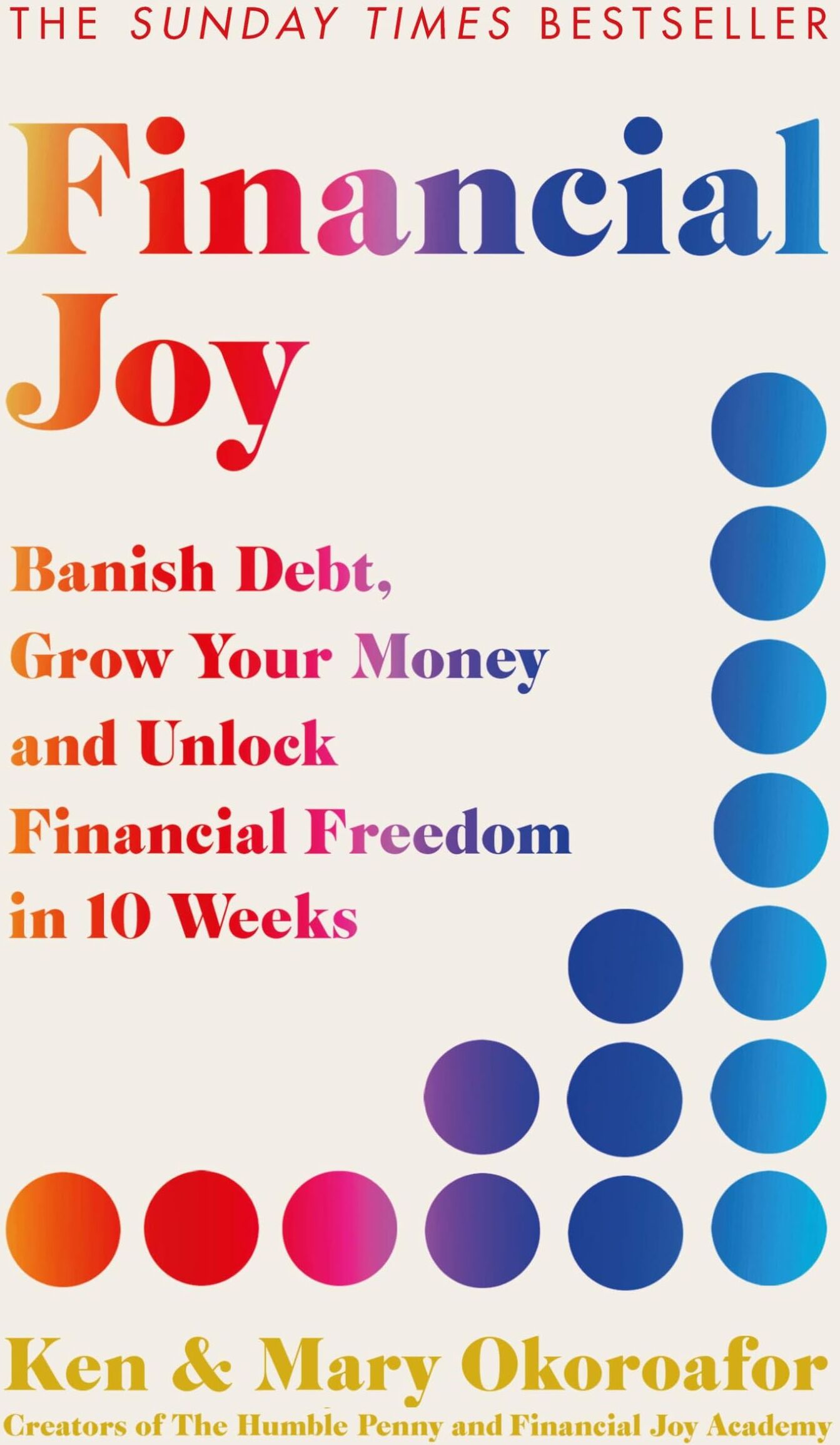
Quercus Financial Joy: Set your financial goals for 2026 - Banish Debt, Grow Your Money and Unlock Financial Freedom by Ken and Mary OkoroaforAs seen on ITV's This Morning! A life-changing 10-week plan to help you to turn your life around and design a path to financial freedom, enriched with the small experiences that bring you joy. Stop worrying about money. Start enjoying your life. You might be struggling in debt, living paycheque to paycheque, or worried about preparing for retirement; maybe you're considering your first investment, or you just want an escape plan from the '9 to 5'. Wherever you are on your journey, this book will revolutionize your lifestyle and your relationship with money. Authors Ken and Mary Okoroafor started out as resource-poor, working-class immigrants and have built a life of financial independence and joyful moments through hard work, smart saving and savvy investing. They know what it feels like to start from ground zero, and as a chartered accountant and former CFO, Ken shares his financial expertise to help you unlock the secret to building wealth. You'll learn how to take control of your finances, develop good money habits, become debt-free, invest in assets and multiply your income so you can create the freedom to travel, spend time with your loved ones and plan for a stress-free (early) retirement - all whilst prioritising your wellbeing and having fun! It also includes a dozen real-life interviews with singles, couples and those with children, from different backgrounds, age groups and stages of their money journey, including a few well-known public figures. Financial joy can be achieved by anyone - and it can start today, not tomorrow.5,99 £*Shipping: 2,99 £Secure redirect to the provider
-
Quercus Financial Joy: Banish Debt, Grow Your Money and Unlock Financial Freedom - Ken & Mary Okoroafor - Paperback - Sunday Times Bestseller Money GuideFinancial Joy is a practical guide to managing your finances, written by Ken and Mary Okoroafor. This Sunday Times bestselling book offers a structured ten-week programme to help you reset your relationship with money. Rather than focusing on restriction, the authors champion 'financial joy' - the idea that budgeting, saving, and investing can coexist with the small pleasures that make life worth living. The book draws on the authors' own story of building financial independence through discipline, smart saving, and considered investing, providing a genuine and relatable approach to personal finance.5,99 £*Shipping: 2,99 £Secure redirect to the provider
-
Uplifted Finds Vertical Toy Inventory Management Module yellowOptimize your pets engagement ecosystem with the Vertical ToyInventory Module, a professionalgrade organization system engineered with spatialefficiency logic. This highutility module features a multitier felt architecture specifically designed to...92,97 $*Shipping: 0,00 $Secure redirect to the provider
-
Financial Freedom Collection By Tony Robbins 2 Books Set - Non Fiction - Paperback Simon & SchusterTitles in this set: 1. Unshakeable: Your Guide to Financial Freedom 2. The Holy Grail of Investing Description: Unshakeable: Your Guide to Financial Freedom Tony Robbins, arguably the most recognizable life and business strategist and guru, is back with a timely, unique follow-up. Market corrections are as constant as seasons are in nature. There have been 30 such corrections in the past 30 years, yet there’s never been an action plan for how not only to survive, but thrive through each change in the stock market. Building upon the principles in Money: Master the Game, Robbins offers the reader specific steps they can implement to protect their investments while maximizing their wealth. It’s a detailed guide designed for investors, articulated in the common-sense, practical manner that the millions of loyal Robbins fans and students have come to expect and rely upon. Few have navigated the turbulence of the stock market as adeptly and successfully as Tony Robbins. His proven, consistent success over decades makes him singularly qualified to help investors (both seasoned and first-timers alike) preserve and add to their investments. The Holy Grail of Investing In this new book, Tony Robbins teams up with Christopher Zook, a renowned financial investor . Together they reveal how, for decades, trillions of dollars of smart money – think of large institutions, sovereign wealth funds, individuals with ultra-high-net worth – have been making outsized returns using alternative investments in private equity, private credit, private real estate, energy and venture capital. Until recently, the vast majority of investors – those of us without insider access or eye-popping checkbooks – have been locked out of these exciting, high-yield opportunities. But there is a change underway. Alternative investments are coming to the masses, and investors need to know how to navigate their options, assess the merits of these opportunities, and determine how to best take advantage of this massive trend. In The Holy Grain of Investing , you’ll discover: Where opportunities will arise as we transition from the 'free money' era of zero interest rates to a new more realistic environment. How to take advantage of the trillions flowing into private investments by owning a piece of the firms that manage the assets. How to take advantage of private credit as an alternative (or compliment) to bonds. How and why professional sports teams have become an asset class of their own. How the renewable energy revolution will create new winners and losers. How investments in private real estate can work as an inflationary hedge. Interviews, advice, and insights from some of the world’s most formidable titans of industry, such as Howard Marks of OakTree Capital, Vinod Khosla of Khosla Capital, Barry Sternlicht of Starwood, Robert Smith of Vista, and Peter Theil of Founders Fund, among others. The market is changing, and the conventional wisdom no longer applies. Are you ready to add some...18,99 £*Shipping: 2,99 £Secure redirect to the provider
-
What is the difference between financial advisory and financial management?
Financial advisory involves providing advice and guidance to individuals or businesses on how to manage their finances, make investment decisions, and plan for their financial future. Financial advisors help clients understand their financial situation and make informed decisions about their money. On the other hand, financial management involves the day-to-day management of an individual's or business's finances, including budgeting, cash flow management, and financial reporting. Financial managers are responsible for implementing the strategies and plans developed by financial advisors to ensure that the client's financial goals are met. In summary, financial advisory focuses on providing advice and guidance, while financial management involves the implementation and ongoing management of financial plans and strategies. **
-
Is financial management a job with a future?
Yes, financial management is a job with a future. As long as businesses and individuals continue to require assistance with managing their finances, there will be a need for financial managers. Additionally, as the financial industry evolves and new technologies emerge, the role of financial managers may also evolve, creating new opportunities for those in the field. With the increasing complexity of financial regulations and the growing importance of strategic financial planning, the demand for skilled financial managers is likely to remain strong in the future. **
-
What professions are associated with administrative or financial management?
Professions associated with administrative or financial management include accountants, financial analysts, budget analysts, administrative services managers, and financial managers. These professionals are responsible for overseeing financial operations, creating budgets, analyzing financial data, and ensuring compliance with regulations. They play a crucial role in the efficient and effective management of an organization's financial resources. **
-
What is the course of study for financial management?
The course of study for financial management typically includes a combination of finance, accounting, economics, and business management courses. Students will learn about financial analysis, investment strategies, risk management, and financial decision-making. They will also study topics such as financial markets, corporate finance, and financial reporting. Additionally, students may have the opportunity to gain practical experience through internships or case studies. Overall, the course of study for financial management is designed to provide students with the knowledge and skills needed to effectively manage and make strategic financial decisions for organizations. **
Similar search terms for Financial
-
Scribe UK Billion Dollar Whale by Tom Wright & Bradley Hope – Financial Fraud True Crime BestsellerThe epic story of how a young social climber from Malaysia pulled off one of the biggest financial heists in history. In 2015, rumours began circulating that billions of dollars had been stolen from a Malaysian investment fund. The mastermind of the heist was twenty-seven-year-old Jho Low, a serial fabulist from an upper-middle-class Malaysian family, who had carefully built his reputation as a member of the jet-setting elite by arranging and financing elaborate parties for Wall Street bankers, celebrities, and even royalty. With the aid of Goldman Sachs and others, Low stole billions of dollars, right under the nose of global financial industry watchdogs. He used the money to finance elections, purchase luxury real estate, throw champagne-drenched parties, and bankroll Hollywood films like The Wolf of Wall Street. Billion Dollar Whale reveals how this silver-tongued con man, a ‘modern Gatsby’, emerged from obscurity to pull off one of the most audacious financial heists the world has ever seen, and how the financial industry let him. It is a classic harrowing parable of hubris and greed in the financial world.4,95 £*Shipping: 1,99 £Secure redirect to the provider
-
Plata Publishing Rich Dad’s Cashflow Quadrant – Robert T. Kiyosaki Guide to Financial Freedom, Investing & Wealth BuildingDiscover why some people work harder for money while others make money work for them with Rich Dad’s Cashflow Quadrant by Robert T. Kiyosaki. In this powerful follow-up to Rich Dad Poor Dad, Kiyosaki introduces the Cashflow Quadrant, a simple yet transformative framework that explains the four ways people earn income: Employee (E), Self-Employed (S), Business Owner (B), and Investor (I). The book reveals why true financial freedom is most often found on the B and I side of the quadrant. Through real-world examples and practical insights, Kiyosaki teaches readers how to shift their mindset, reduce financial risk, and build sustainable wealth through business ownership and investing. This book focuses on financial intelligence, passive income, and long-term wealth creation, rather than short-term gains. What You’ll Learn: The meaning of the Cashflow Quadrant (E, S, B, I) Why employees and self-employed people face financial limits How business owners and investors build passive income The mindset shifts required for financial independence How to move from job-based income to asset-based income Ideal for anyone serious about financial freedom, investing, and entrepreneurship, Rich Dad’s Cashflow Quadrant is a must-read personal finance classic.4,99 £*Shipping: 1,99 £Secure redirect to the provider
-
Uplifted Finds Vertical Toy Inventory Management Module greenOptimize your pets engagement ecosystem with the Vertical ToyInventory Module, a professionalgrade organization system engineered with spatialefficiency logic. This highutility module features a multitier felt architecture specifically designed to...92,97 $*Shipping: 0,00 $Secure redirect to the provider
-
Uplifted Finds Vertical Toy Inventory Management Module pinkOptimize your pets engagement ecosystem with the Vertical ToyInventory Module, a professionalgrade organization system engineered with spatialefficiency logic. This highutility module features a multitier felt architecture specifically designed to...92,97 $*Shipping: 0,00 $Secure redirect to the provider
-
Are there differences between a dual study program in financial management and a two-year training program to become a financial management assistant?
Yes, there are differences between a dual study program in financial management and a two-year training program to become a financial management assistant. A dual study program typically combines academic studies with practical work experience, allowing students to earn a degree while gaining real-world skills. On the other hand, a two-year training program focuses solely on practical training and may not result in a degree. Additionally, a dual study program may offer more in-depth theoretical knowledge and a broader understanding of financial management, while a two-year training program may focus more on specific job-related skills and tasks. **
-
What do you study to work in financial management treasury?
To work in financial management treasury, you would typically study finance, accounting, economics, or a related field. Courses in financial analysis, risk management, investments, and corporate finance would be beneficial. Additionally, gaining practical experience through internships or entry-level positions in finance or treasury departments can also be valuable in preparing for a career in financial management treasury. Advanced degrees such as a Master's in Finance or an MBA with a focus on finance can further enhance your qualifications for this field. **
-
What is the name of the Financial Management degree program?
The name of the Financial Management degree program is "Bachelor of Science in Financial Management" or "BS Financial Management." This program typically focuses on providing students with a strong foundation in financial analysis, investment management, risk assessment, and strategic financial planning. Graduates of this program are prepared for careers in corporate finance, investment banking, financial consulting, and other related fields. **
-
Should I choose a degree in Business Administration or in Financial Management?
The choice between a degree in Business Administration and Financial Management ultimately depends on your career goals and interests. A degree in Business Administration provides a broad understanding of various aspects of business, including management, marketing, and operations. On the other hand, a degree in Financial Management focuses specifically on financial analysis, investment strategies, and risk management. If you are interested in a career that involves managing finances, investments, and financial planning, then Financial Management may be the better choice. However, if you are looking for a more general business education that can lead to a variety of career paths, then Business Administration may be the better option. **
* All prices are inclusive of VAT and, if applicable, plus shipping costs. The offer information is based on the details provided by the respective shop and is updated through automated processes. Real-time updates do not occur, so deviations can occur in individual cases. ** Note: Parts of this content were created by AI.